Autumn rewards a few weekends of effort more than any other season. Growth slows, the soil is still warm, and there is a window of roughly six to ten weeks when you can cut, plant, clean and repair without fighting the weather. Miss it and you spend spring catching up on jobs that are far harder to do once everything is growing. Get it right and the garden comes through winter in better shape, with less waiting for you in March.
Here are twelve jobs worth doing, grouped so you can work through them in a sensible order. None of them need specialist kit, and most are pleasanter done on a dry, still morning than squeezed in after work in the dark.
The lawn: two jobs that show immediately
The last cut of the year matters more than people expect. As growth slows, raise the cutting height a notch or two. Leaving the grass a little longer going into winter gives it enough leaf to keep working on mild days, without the matted, moisture-trapping growth you get from a scalped lawn. Pick a dry day, avoid cutting when frost is forecast, and never cut wet grass: the mower smears and the ruts show until spring.
Repair, feed and keep off it
If thatch has built up, scarify lightly with a spring-tine rake or a hired scarifier, working in two directions. Then aerate by pushing a garden fork into the turf to about 15cm and rocking it gently back and forth, roughly every 15cm across the lawn. Brush a sandy top dressing into the holes so it does not sit on the surface. Bare patches can be overseeded now while the soil still holds warmth; keep the seed damp for a fortnight and keep feet off the area. Finish with an autumn lawn feed, which is low in nitrogen — it hardens growth for winter rather than pushing soft new leaves that frost will burn.
Borders: cut back with restraint
The instinct to tidy everything to the ground is the one to resist. Seedheads left standing feed birds through the lean months, and the hollow stems of smaller perennials shelter overwintering insects. Frost also looks better on a garden that still has some structure than on one reduced to bare soil.
- Cut back: anything that flops and rots in wet weather — hardy geraniums, oriental poppies, spent annuals, soggy hosta foliage. Clear it rather than leaving it as a slug shelter.
- Leave standing: sedum and echinacea heads, ornamental grasses, teasels, honesty. Chop these in late spring instead, once the worst of the weather has passed and new growth is pushing through.
- Lift and divide: crowded clumps of primroses, hardy geraniums and daylilies. Replant the healthy outer pieces and work in some compost.
- Weed, then mulch: a 5cm layer of well-rotted bark or garden compost suppresses winter weeds, insulates roots and feeds the soil as it breaks down. Keep it clear of stems and crowns.
Autumn's rule of thumb: cut back what will flop and rot, leave what feeds the birds and shelters the insects.
Plant while the soil still has warmth in it
This is the best planting window of the year. Spring bulbs go in now: daffodils first, then crocus, alliums and camassia. Tulips are the exception — plant them from late October into November, which reduces the risk of bulb rot in wet soil. In a border, plant in generous drifts rather than single-file lines, and set them at roughly three times their own depth. Pots work too, layered with the earliest bulbs nearest the surface.
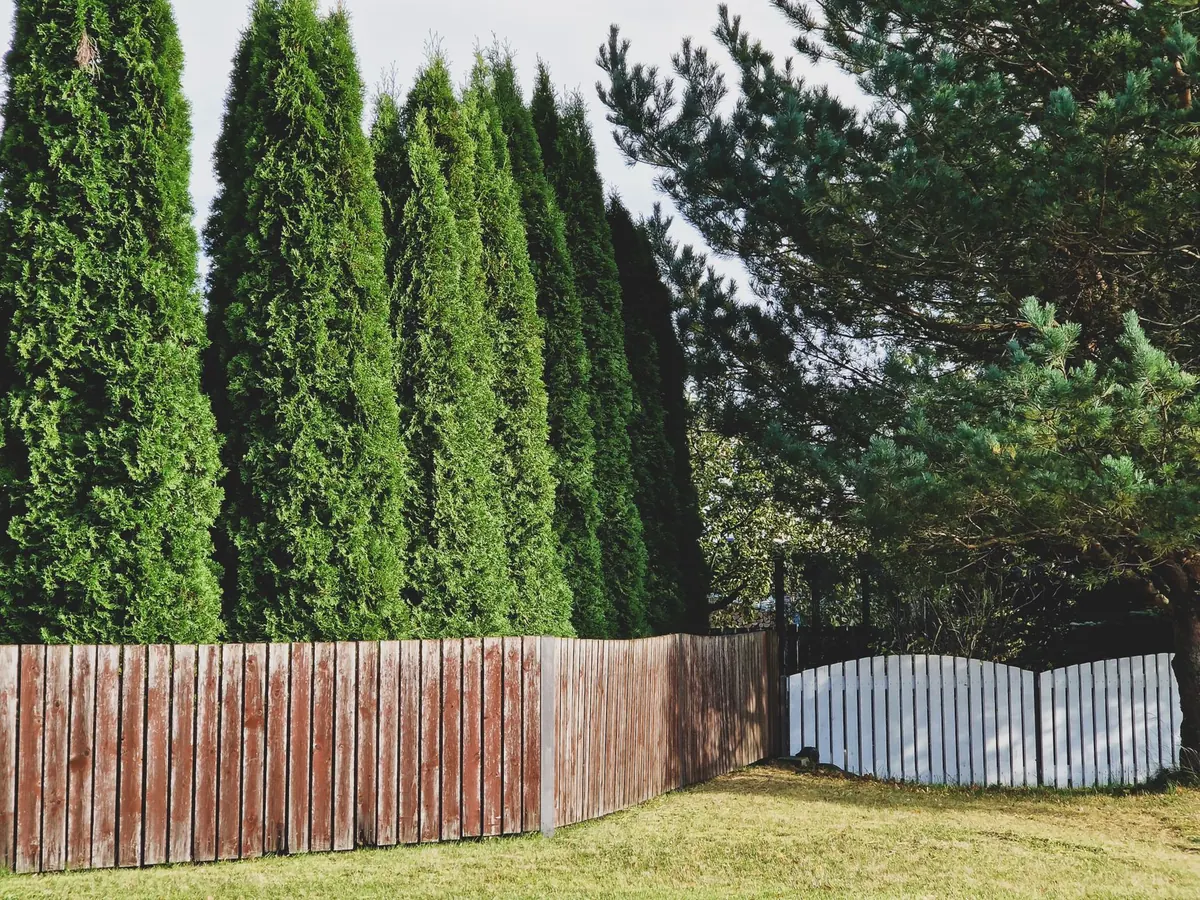
Bare-root shrubs, hedging and fruit trees arrive from nurseries between leaf fall and late winter. They establish better and cost less than container-grown plants, but they must not dry out. Water them in well, mulch, and check them in any dry spell right through to spring. If your soil is heavy clay, plant slightly proud on a shallow mound and let the roots find their own level. For anything large, near a building, or anywhere close to overhead cables, call in a qualified arborist rather than taking it on yourself.
Leaves, compost and mulch
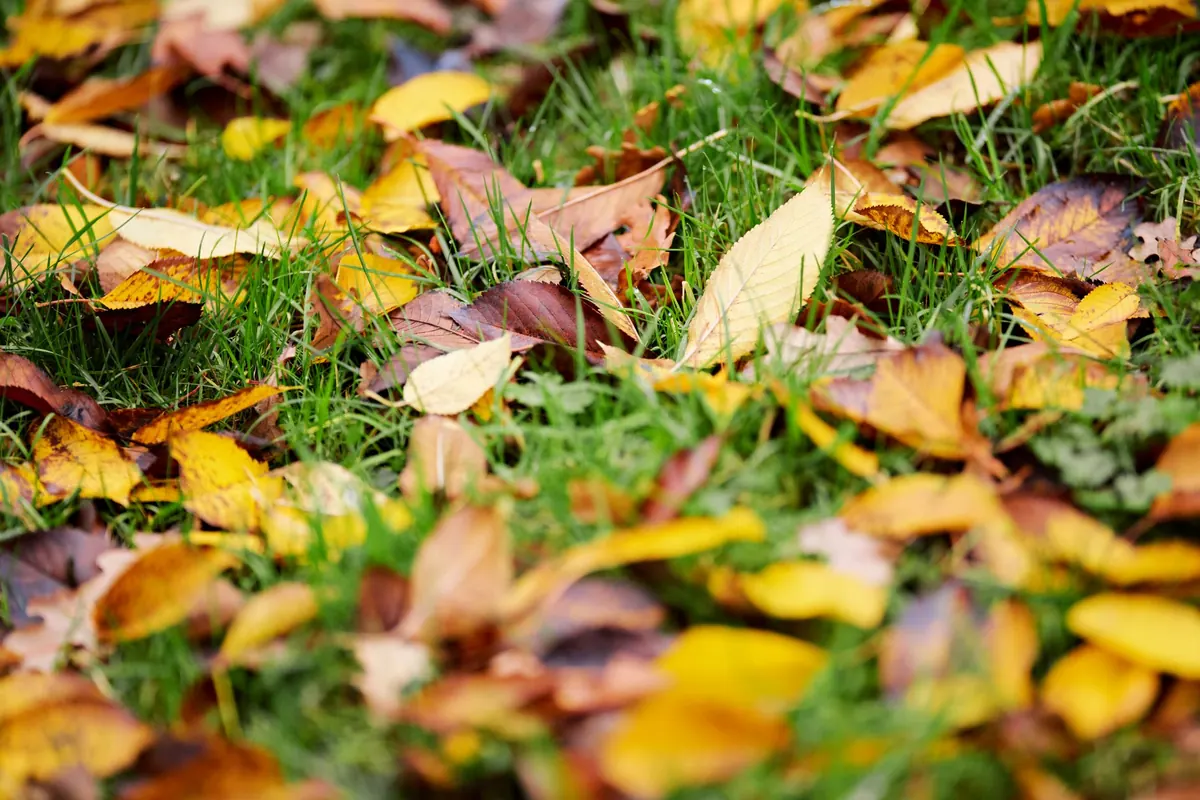
Rake leaves off the lawn promptly — a few weeks under a wet blanket of leaves will yellow and weaken the grass. Everywhere else, leave a light scattering to feed the soil and the birds, and sweep the rest into a wire bin or bin liner with a few holes punched in it. Kept damp, leaves break down into leaf mould in a year or two; sycamore and lime are quick, oak and beech are slow but worth the wait.
While you are at the compost heap, turn it and check the balance. Autumn gives you plenty of brown material in the form of leaves, cardboard and spent stems, so layer those with grass clippings and kitchen scraps rather than dumping everything in at once. If it smells sour and slimy, add more browns and turn it again. Compost that is slightly damp and roughly the consistency of a wrung-out sponge is working properly.
Furniture and hard surfaces
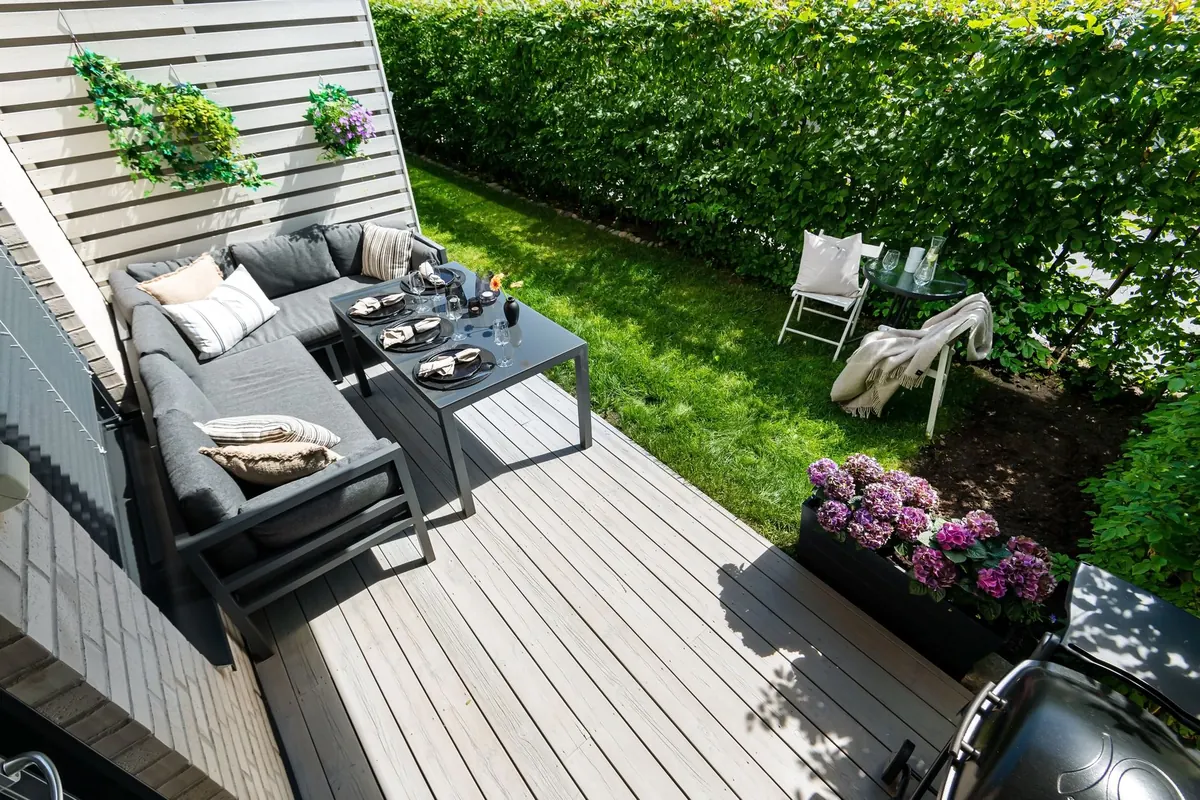
Clean wooden furniture with warm water and a little washing-up liquid, then let it dry thoroughly before doing anything else. Teak and other hardwoods benefit from a coat of suitable oil every year or two; painted metal needs a check for chips and a touch-up before rust takes hold. Store cushions indoors, not in a shed where damp will creep in, and if the furniture stays outside, raise it off the paving and cover it so air can still move around it.
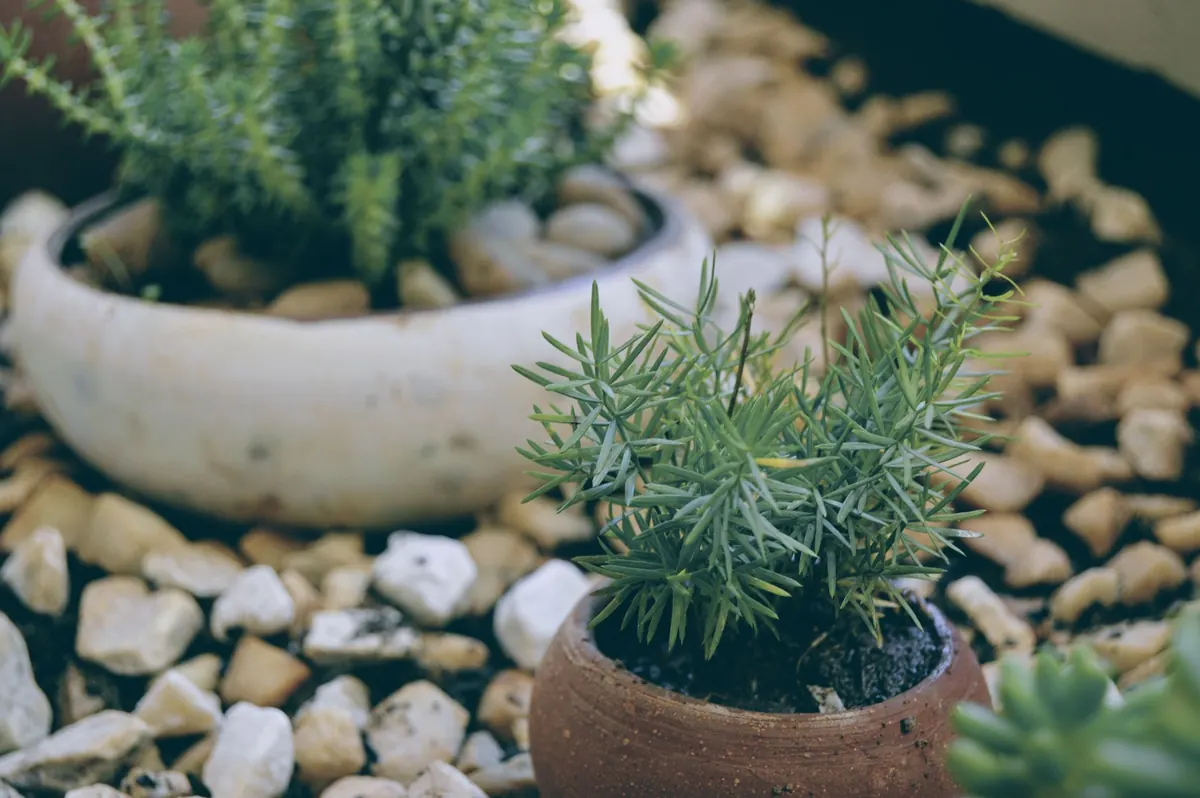
Decking and paving need attention now rather than in December. Clear fallen leaves from gully gratings, check that water runs away from the house, and lift pots onto feet so they do not sit in standing water. Terracotta is best moved under cover or emptied and stored; glazed pots that stay out will crack if wet compost freezes solid inside them. When you clean paving, use a stiff brush first and be cautious with a pressure washer, which can strip the pointing and the surface of older stone.
Tools, taps and water
Good tools last decades if you put them away properly. Clean soil off spades, forks and hoes, dry them, and rub an oily rag over the metal. Sharpen secateurs and loppers, take them apart if they come apart easily, and oil the spring and pivot. Wooden handles appreciate a wipe of linseed oil. Hang everything off the floor, and store fuel-powered equipment empty of fuel, or you will be cleaning a carburettor next spring.
Outside, drain hosepipes and store them indoors or somewhere frost-free. Isolate and drain the outdoor tap, or fit an insulating cover, and lag any exposed pipe. Water butts are fine left in place, but check that downpipes and diverters are clear of leaves so the winter rain actually reaches them. If you have automatic irrigation, drain it and switch the controller off.
An order of work that actually works
If you only have a couple of weekends, do it in this sequence: clear leaves and cut the lawn first, because everything else is easier without debris underfoot. Then cut back and mulch, plant bulbs and any bare-root stock, and finish with furniture, tools and water. Rainy days are a good moment for the shed jobs you can do under cover, and a dry afternoon is the time for anything involving the mower or a ladder.
Two safety notes worth repeating. Check bonfires and piles of leaves for hedgehogs before lighting them, and never work on a wet roof or a ladder in gusty weather. Wear gloves, and take the same care with your back that you would in the gym — lift pots with your legs, not your spine. If a job involves tree work at height, outdoor electrics or anything you are unsure about, pay a professional. It is cheaper than the alternative.
Photo: Erwin Bosman / Pexels